Built, shipped,
still running.
Every build here is live and still running, and we stand behind all of it. Full case studies with hard numbers come as the results compound. Until then, here is the honest version: what each one is, what it does, and what it replaced.

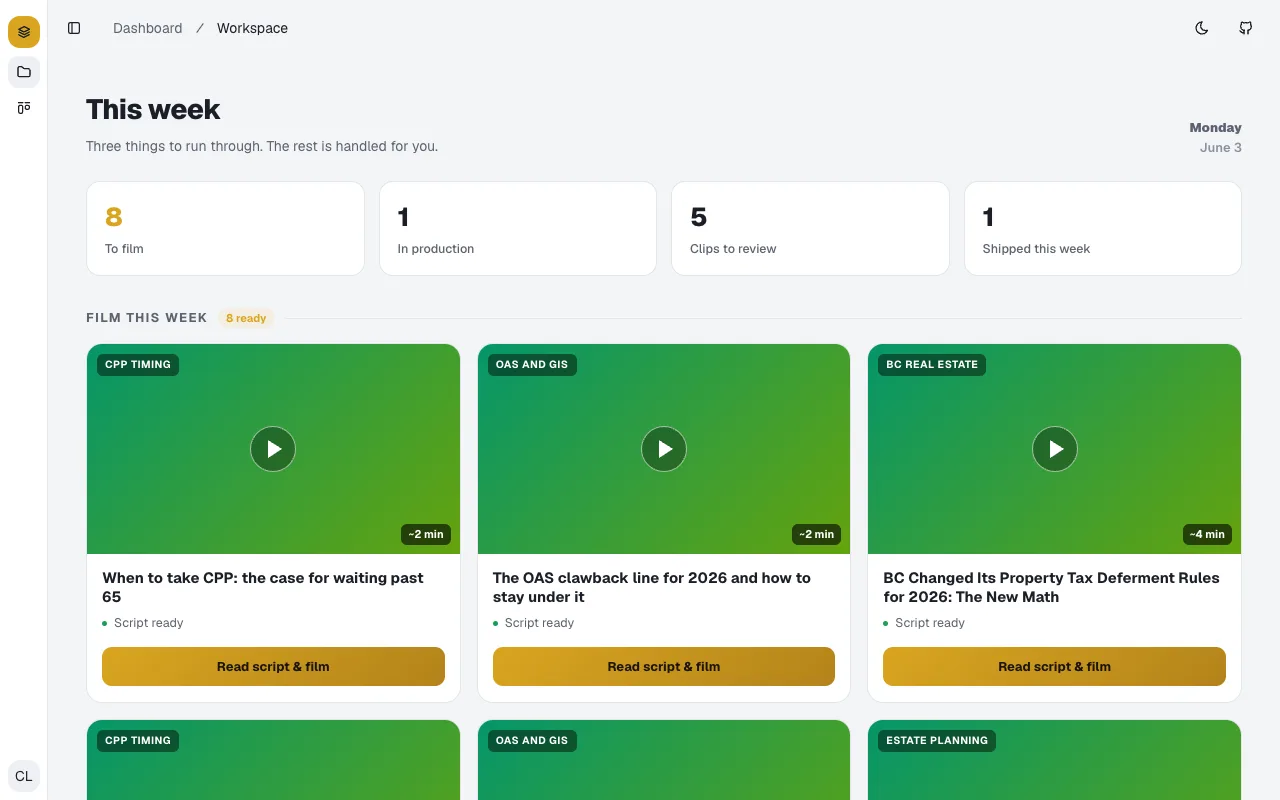
Content engine for a solo video creator
What we built
A fully automated pipeline for a solo video creator that runs from long-form content all the way through atomization: it drafts, cuts each piece into short-form clips and posts, and schedules everything out across channels on its own.
What it does day to day
The creator films and runs his business. The pipeline turns every long-form piece into a steady stream of short-form content and keeps the channels fed, so the audience and the leads come to him instead of him chasing them.
What it replaced
The manual grind of clipping, captioning, and posting, plus the constant pressure to go find the next lead. The system handles distribution so the work itself does the marketing.
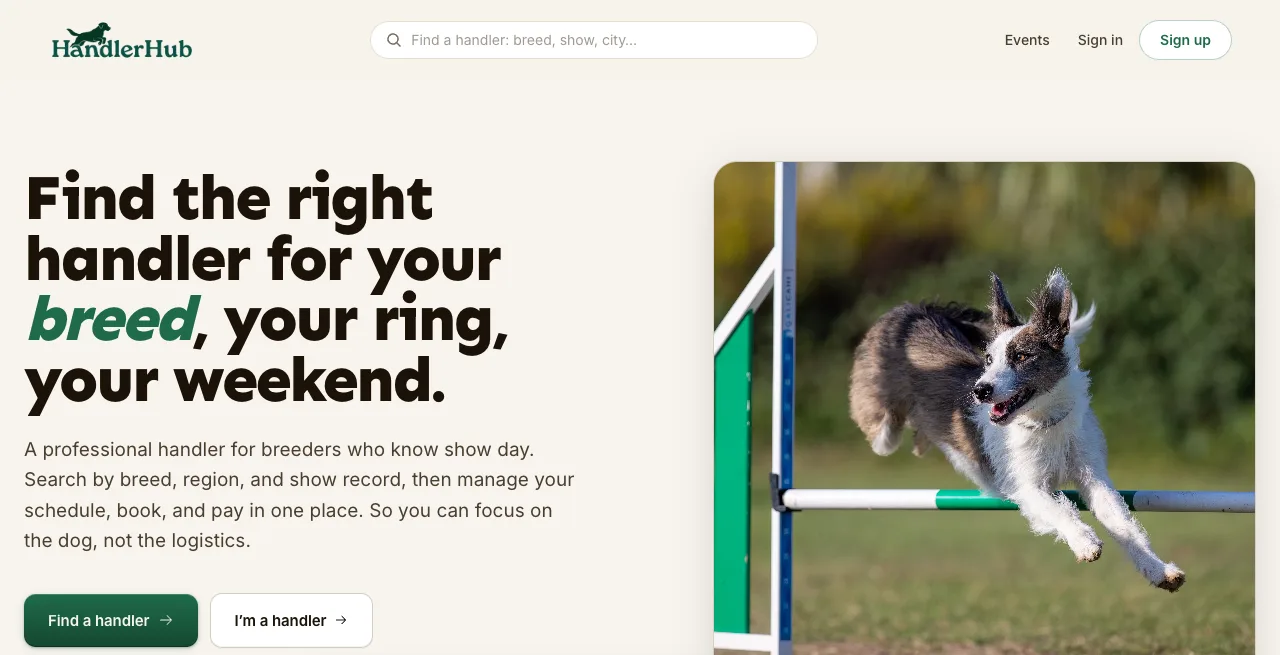
HandlerHub
What we built
A web platform for the dog show handling world, owned and operated by Yellow Bird: site, content operation, and social production line built to run with minimal weekly attention.
What it does day to day
Publishes branded content on a schedule, with the production pipeline doing the assembly and a person doing the judgment calls.
What it replaced
Nothing. It's a from-zero build, and the proof that the systems we sell can stand up a whole operation, not just patch one.
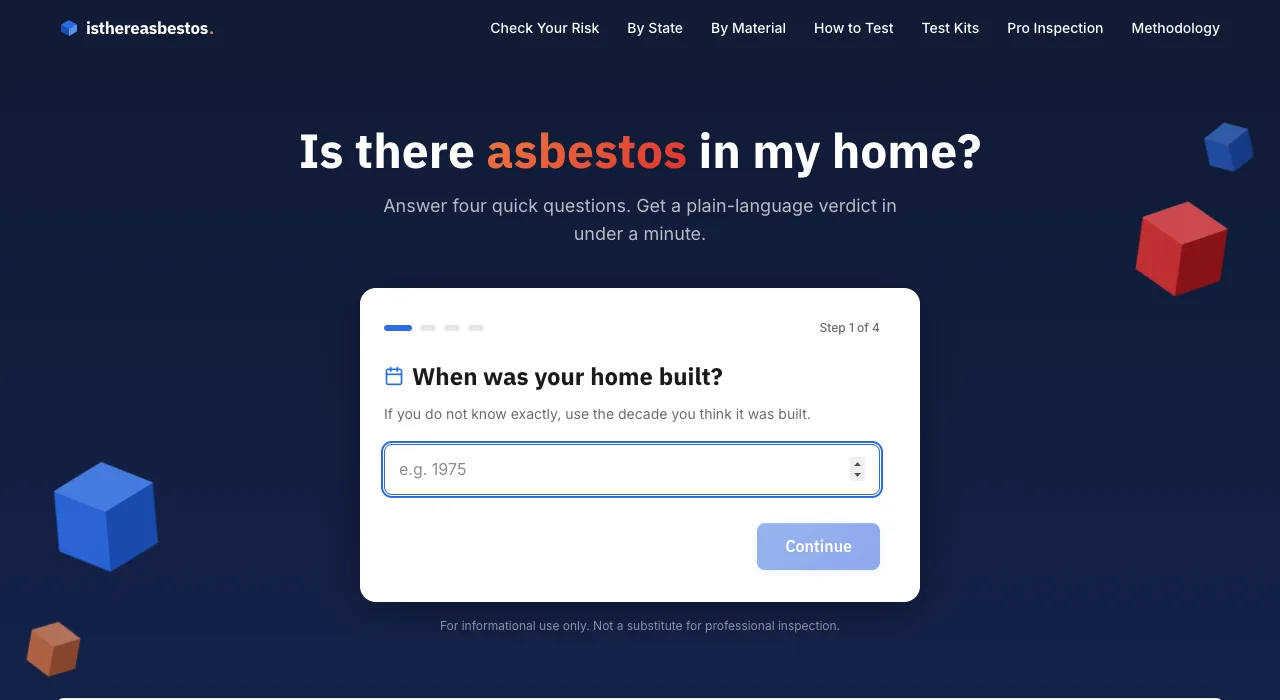
A portfolio of self-maintaining sites
What we built
A fleet of niche websites where audits, fixes, content drafts, and search-engine upkeep run on autonomous schedules. Each site gets a monthly technical review and weekly drift checks without a human kicking it off.
What it does day to day
Finds its own problems (broken links, missing metadata, stale content), files the fix or queues it for review, and writes researched draft posts that a reviewer approves.
What it replaced
The retainer-agency model where upkeep happens when someone remembers to bill for it.
Yellow Bird's own operation

What we built
The consultancy itself runs on an agent system: research, drafting, reporting, lead handling, and bookkeeping prep all flow through automated pipelines with human review gates.
What it does day to day
Lets a principal-led firm deliver like a team. The morning brief, the content calendar, and the follow-up queue assemble themselves before the workday starts.
What it replaced
The trade-off where a solo consultancy either does the work or markets the work. The system does the assembly; the principal does the judgment.
Your operation next?
Every build above started the same way: a conversation about where the hours and the leakage actually were. A Discovery Sprint finds the same map for your business.